
- Course
SOLIDWORKS Simulation - Linear Static Part Analysis
Linear static stress analysis of a part is a core element of the design process. This course will teach you how to set up and run a linear static stress analysis of a part. Software required: SOLIDWORKS 2016.
Intermediate
- Course
SOLIDWORKS Simulation - Linear Static Part Analysis
Linear static stress analysis of a part is a core element of the design process. This course will teach you how to set up and run a linear static stress analysis of a part. Software required: SOLIDWORKS 2016.
Intermediate
Get started today
Access this course and other top-rated tech content with one of our business plans.
Try this course for free
Access this course and other top-rated tech content with one of our individual plans.
This course is included in the libraries shown below:
- Core Tech
What you'll learn
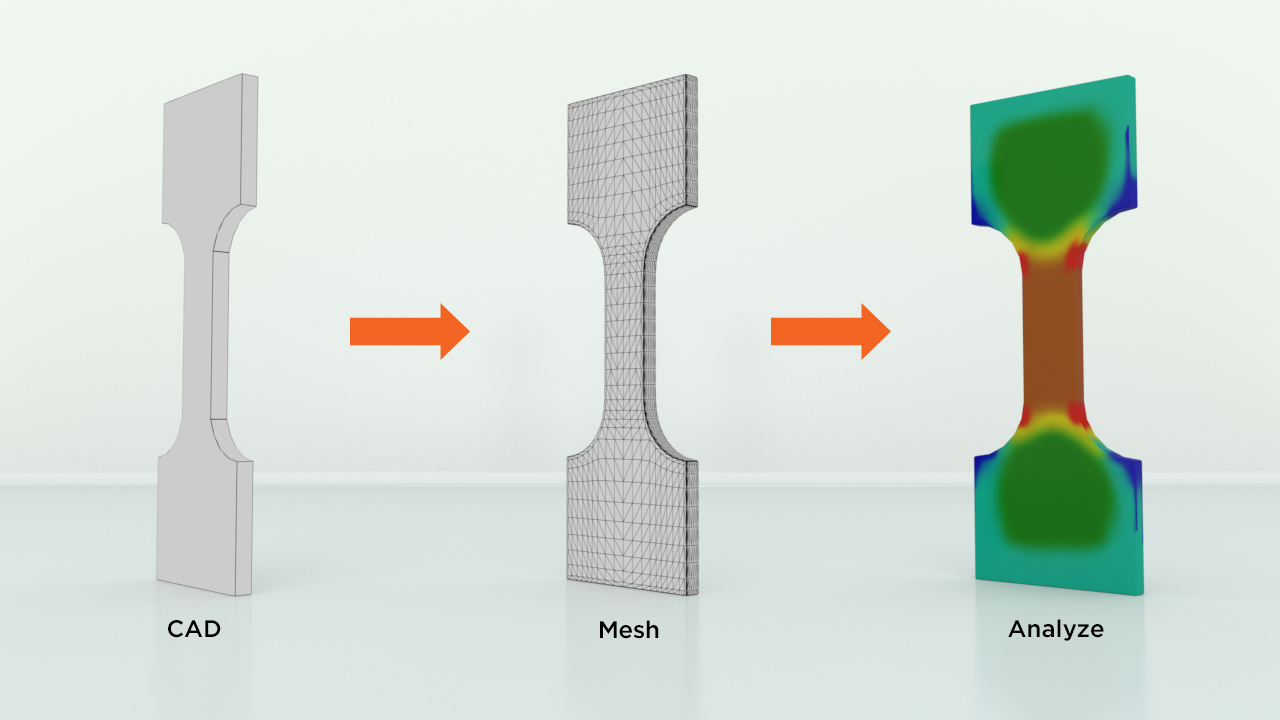
To complete a linear static analysis of a part in SOLIDWORKS Simulation, many steps need to be followed. In this course, SOLIDWORKS Simulation - Linear Static Part Analysis, you will be guided through each of these steps to ensure accuracy from start to finish. First, you'll see the basics of Finite Element Analysis. Then, you will learn the standard options and settings within Simulation. From there, you will complete the setup of materials, fixtures, loads, and mesh. After you run the analysis, you will interpret the results and finally refine the mesh and reach convergence. After completing this course, setting up and running a linear static stress analysis on a part will be much easier and you'll be prepared to do it on your own in the future. Software required: SOLIDWORKS 2016.
SOLIDWORKS Simulation - Linear Static Part Analysis
Intermediate
